

CTO Carbon Block Water Filter Replacement: When and How to Do It Right

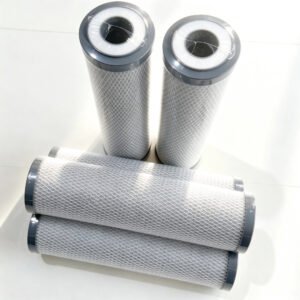
Ova Velora 5 Micron CTO Carbon Block Filter — For pure, fresh, and healthy drinking water.
If your tap water has started to smell of chlorine or taste a little flat, the filter inside your purifier is probably telling you something. Timely CTO carbon block water filter replacement is one of the simplest ways to keep your drinking water fresh, clean, and pleasant. Many households install a good purifier, enjoy it for a few months, and then forget that the carbon block inside is a consumable part. It does not last forever, and once it is exhausted, it stops doing its job.
In this guide from Ovavelora, we explain what a CTO carbon block filter does, how to recognize the signs that it is time for CTO carbon block water filter replacement, how often you should change it, and a clear step-by-step method you can follow at home. By the end, you will know exactly how to protect your purifier, your family, and your budget.
What Is a CTO Carbon Block Water Filter?
CTO stands for Chlorine, Taste, and Odor. A CTO filter is a solid block made from compressed activated carbon, usually shaped like a cylinder, that sits inside a standard filter housing. As water is pushed through the block, the carbon surface attracts and holds unwanted substances through a process called adsorption. Unlike loose granular carbon, a carbon block is pressed into a dense, uniform structure. This gives the water a longer and more even contact path with the carbon, which improves how well it reduces chlorine, bad taste, unpleasant smell, and many organic compounds. The tight structure also traps some fine particles, so a CTO block works as both a chemical and a physical barrier.
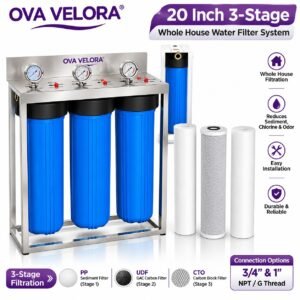
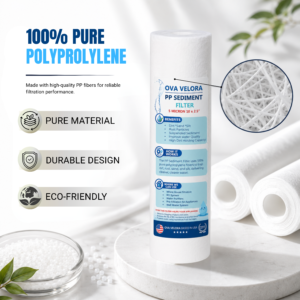
In a typical multi-stage purifier, the CTO block comes after the sediment filter. The sediment stage removes sand, rust, and visible dirt first, which protects the carbon block from clogging too early. That order matters, and it is one reason a worn-out sediment filter can shorten the life of your carbon block and make CTO carbon block water filter replacement necessary sooner than expected.
Why CTO Carbon Block Water Filter Replacement Matters
A carbon block has a limited number of adsorption sites. Every liter of water that passes through fills a few of them. After enough use, the carbon is saturated and cannot capture anything more. At that point three problems appear.
First, the water quality drops. Chlorine taste and odor return, and organic compounds pass straight through. Second, a saturated and clogged block restricts flow, so your faucet or storage tank fills slowly. Third, and most important, an old wet carbon block can become a place where bacteria grow, because carbon holds moisture and organic matter. Regular CTO carbon block water filter replacement prevents all three problems and also protects the membrane or UF stage that comes after it. A membrane that receives chlorine-rich water will wear out much faster, so changing the carbon block on time actually saves money.
Signs You Need CTO Carbon Block Water Filter Replacement
You do not have to wait for the calendar. Your purifier gives clear hints. Watch for these signs.
The taste or smell of chlorine returns.
This is the most reliable sign. Because the CTO block exists mainly to remove chlorine taste and odor, any return of that smell means the carbon is exhausted. If your water tastes like a swimming pool, schedule CTO carbon block water filter replacement immediately.
Water flow becomes slow.
If the output from your filter tap has dropped noticeably while your household water pressure is normal, the block may be clogged with trapped particles. Check the sediment filter first, then the carbon block.
The filter looks dark, slimy, or dirty.
When you open the housing, a healthy block looks uniformly black or grey. Visible slime, a bad smell, cracks, or crumbling edges are clear reasons to replace the cartridge at once.
The change date has passed.
Most people forget the date they last changed the cartridge. If more than six to twelve months have passed, assume the block needs replacing, even if the water still seems acceptable. Taste is not a perfect indicator, because your nose adapts slowly.
Cloudy water or black particles
Tiny black specks in the water can point to a damaged or poorly seated block. Stop using the water for drinking and complete CTO carbon block water filter replacement before continuing.
How Often Should You Do CTO Carbon Block Water Filter Replacement?
There is no single number that suits every home, because the right interval depends on your water source and usage. As a general guide, many manufacturers recommend changing a CTO carbon block every six to twelve months. Always check the instructions for your specific model, since capacity ratings differ from one cartridge to another.
Several factors can shorten the interval:
- Water quality: Tap water with high chlorine, sediment, or organic load exhausts the carbon faster.
- Family size: A large household drinks and cooks with more filtered water, so the block processes more liters each month.
- Pre-filter condition: A clogged sediment filter pushes dirt onto the carbon block and shortens its life.
Another smart habit, which makes every CTO carbon block water filter replacement easier, is to write the installation date on the cartridge with a permanent marker and set a phone reminder for the next CTO carbon block water filter replacement. For a family of four with average municipal water, six months is a safe and practical rhythm.
Step-by-Step CTO Carbon Block Water Filter Replacement Guide
Follow these steps carefully for a clean CTO carbon block water filter replacement. Keep a bucket, towels, the housing wrench, a new cartridge, and a marker ready. The whole job usually takes fifteen to thirty minutes.
Step 1: Turn off the water supply and release pressure.
Close the inlet valve that feeds your purifier. Open the filtered water faucet to release the pressure inside the system. If your purifier has a storage tank, you can leave it connected, but make sure the feed line is closed.
Step 2: Place a bucket under the housing.
Some water will spill when you open the housing. Put a bucket or tray beneath it and keep towels nearby to protect the floor and cabinet.
Step 3: Unscrew the filter housing.
Use the wrench to loosen the housing, turning it counterclockwise. Be patient, because housings can be tight after months of use. Once loose, unscrew it by hand and lower it gently, keeping it upright so water does not spill.
Step 4: Remove the old carbon block.
Pull the used cartridge out and look at it. Note its color, smell, and condition. Dispose of it responsibly with household waste, and never reuse it.
Step 5: Clean the housing and the O-ring.
Wash the inside of the housing with warm water and mild soap, then rinse well. Do not use strong chemicals or bleach unless your manual specifically allows it. Inspect the rubber O-ring for cracks or flat spots, and replace it if it looks worn. A light coat of food-grade silicone grease helps it seal smoothly.
Step 6: Install the new CTO carbon block
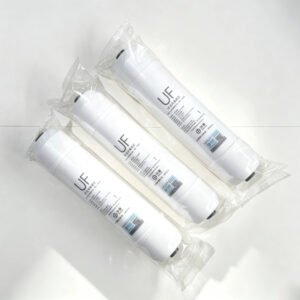
Remove all packaging, including any plastic wrap, because a cartridge left in its wrap will not filter at all. Insert the new block into the housing and make sure it sits straight and seats properly on the base. Correct alignment is the most important part of CTO carbon block water filter replacement, because a crooked cartridge can let unfiltered water bypass the carbon.
Step 7: Reassemble and tighten the housing.
Screw the housing back by hand until snug, then give it a gentle quarter turn with the wrench. Over-tightening can crack the housing or damage the O-ring, so avoid excessive force.
Step 8: Turn the water on and check for leaks.
Slowly open the inlet valve. Look carefully around the housing, fittings, and connectors for any drips. If you see water, turn the supply off, check the O-ring, and tighten slightly.
Step 9: Flush the new filter.
Let the filtered water run through the faucet for about five to ten minutes. This flushes out loose carbon fines, which can make the first water look grey or cloudy. The water should run clear before you drink it. Finally, mark the date on the housing or in your calendar.
How to Choose the Right Replacement CTO Carbon Block
Not every cartridge is equal, and a poor purchase can undo all your effort. Keep these points in mind before buying.
Check the size. Standard sizes include 10-inch and 20-inch cartridges in slim or big-blue housings. Measure your old cartridge or read the housing label before ordering.
Look at the micron rating. A lower micron number means finer filtration. Many CTO blocks are rated around 5 microns, which balances flow rate with fine particle reduction. Choose the rating that matches your water condition and purifier design.
Prefer quality material. Blocks made from coconut-shell activated carbon are popular because of their dense structure and strong adsorption. Make sure the product states its material and uses a food-grade binder.
Check certifications and brand reliability. Look for clear specifications, rated capacity in liters, and honest claims. Be cautious about unusually cheap cartridges with no technical information, since a weak block can fail early.
Match the cartridge to your purifier. Using a compatible, correctly sized product keeps the seals tight and the water path correct, which makes every CTO carbon block water filter replacement simpler and safer.
Common Mistakes to Avoid During CTO Carbon Block Water Filter Replacement
Even careful people make a few avoidable errors. Here are the most common ones.
- Skipping the flush. Using the water without flushing can give you cloudy water and loose carbon dust.
- Leaving the packaging on. A wrapped cartridge blocks the water path completely.
- Ignoring the sediment filter. Replacing only the carbon block while the sediment filter is clogged wastes the new cartridge. Replace pre-filters on schedule too.
- Over-tightening the housing. This is a frequent cause of cracks and leaks.
- Reusing an old O-ring. A worn ring is the number one reason for slow drips.
- Delaying replacement to save money. An exhausted block costs more in the long run because it harms the membrane and lowers water quality.
- Not recording the date. Without a record, the next CTO carbon block water filter replacement is easy to forget.
FAQs About CTO Carbon Block Water Filter Replacement
What happens if I do not complete CTO carbon block water filter replacement on time?
The carbon stops adsorbing chlorine and odor, so water quality drops. Flow becomes slow, the block can harbour bacteria, and the downstream membrane may wear out faster.
Can I clean and reuse a CTO carbon block?
No. Rinsing the outside will not restore the saturated carbon inside. Cleaning can remove surface dirt, but it cannot bring back adsorption capacity, so replacement is the correct solution.
Is a CTO carbon block the same as a sediment filter?
No. A sediment filter mainly removes visible particles like sand and rust. A CTO carbon block targets chlorine, taste, odor and organic compounds. They work together in a multi-stage purifier.
Final Thoughts
Your purifier is only as good as its weakest stage, and the carbon block is the stage that most directly affects how your water tastes and smells. Making CTO carbon block water filter replacement a regular habit takes only a few minutes every few months, yet it protects your health routine, your equipment and your wallet. Watch for the warning signs, follow the steps above, choose a compatible high-quality cartridge and keep a simple replacement record.
At Ovavelora, we want every home to enjoy clean, fresh-tasting water without confusion. Browse our range of water filter cartridges and accessories to find the right fit for your system, and keep your next CTO carbon block water filter replacement on your calendar today.