
Hip Thrust Belt for Dumbbells: The Complete Guide to Heavier, Safer Glute Training
A hip thrust belt for dumbbells is one of the simplest pieces of gym gear you can own, and it can change the way you train your glutes. If you have ever balanced a heavy dumbbell on your hips and felt it slide, dig into your bones, or ruin your rhythm, you already know the problem. A hip thrust belt for dumbbells solves it by letting you load the weight safely and comfortably, so you can focus on squeezing your glutes instead of holding on.
In this guide, you will learn what a hip thrust belt is, why it beats the old towel-and-dumbbell method, how to choose the right one, and how to use it step by step. You will also get a simple glute workout at home. Whether you train in a commercial gym or in a corner of your bedroom, this article will help you decide if a hip thrust belt for dumbbells deserves a place in your routine.
What Is a Hip Thrust Belt for Dumbbells?
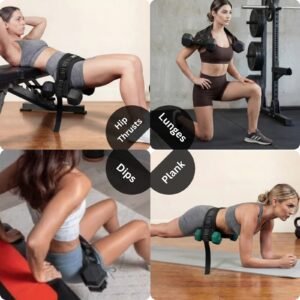
A hip thrust belt for dumbbells is a padded waist belt with a chain, strap, or loop that hangs in front of your hips. You attach a dumbbell, kettlebell, or weight plate to it, and the belt holds the load against your hip crease while you perform hip thrusts. Traditionally, lifters used a barbell for hip thrusts. That works well, but a barbell needs space, plates, and a loading setup that many home gyms simply do not have. A hip thrust belt for dumbbells gives you the same movement with equipment you probably already own. It is compact, portable, and far more affordable than a full barbell rig. Most belts are made from neoprene or foam-padded fabric, with a steel chain or heavy-duty webbing that connects to the weight. The padding spreads pressure across your hips, so the load feels stable instead of sharp.
Why Use a Hip Thrust Belt for Dumbbells Instead of Holding the Weight?
Many people start by resting a dumbbell directly on their lap. It is free, but it has real drawbacks.
- Slipping: The dumbbell rolls toward your stomach or thighs as you move.
- Pressure: Hard metal presses into your hip bones, which becomes painful with heavier loads.
- Hand fatigue: You waste energy gripping the weight instead of training your glutes.
- Limited load: You stop the set because of discomfort, not because your glutes are tired.
A hip thrust belt for dumbbells removes these problems. The weight hangs between your legs, your hands stay free, and the padding keeps the pressure comfortable. That means more reps, heavier loads, and better glute activation over time.
Key Benefits of a Hip Thrust Belt for Dumbbells
Here is why so many lifters add this tool to their routine:
- Heavier progressive overload: You can keep adding weight as you get stronger.
- Comfort and stability: The padded design protects your hips and keeps the load steady.
- Home gym friendly: It takes almost no space and works with dumbbells you already own.
- Better focus: Free hands mean you can brace your body and concentrate on form.
- Versatility: Many belts also work for dips, squats, and pull-ups with added weight.
- Budget-friendly: It costs far less than a barbell, plates, and a squat rack.
For anyone building strength without a full gym, a dumbbell hip thrust setup with a belt is hard to beat.
How to Choose the Best Hip Thrust Belt for Dumbbells
Not every belt is built the same. Before you buy a hip thrust belt for dumbbells, check these features.
1. Padding and Comfort
Look for thick, high-density foam or neoprene. Thin padding will bruise your hips once the weight goes up. A wider belt spreads the load more evenly.
2. Chain or Strap Quality
Steel chains are durable and handle heavy loads well. Strong webbing straps are lighter and quieter. Whichever you choose, make sure the stitching and metal hardware look solid.
3. Adjustable Fit
A good belt should fit different waist sizes, with a secure fastening such as Velcro, a buckle, or both. It should stay in place during every rep without shifting.
4. Weight Capacity
Check the maximum load listed by the seller. Choose a belt that supports well beyond what you lift today, so you have room to grow.
5. Attachment Method
Most belts use a carabiner or a loop through the dumbbell handle. Make sure the connection is secure and easy to adjust.
6. Portability
If you travel or train in a small space, pick a belt that folds flat and fits in a gym bag.
How to Use a Hip Thrust Belt for Dumbbells: Step-by-Step
Using a hip thrust belt for dumbbells is straightforward. Follow these steps for safe and effective reps.
- Set up the bench. Place a stable bench or sturdy sofa against a wall so it cannot slide. Sit on the floor with your upper back against the edge.
- Wear the belt. Fasten the hip thrust belt snugly around your waist, with the padded section over your hip crease.
- Attach the weight. Clip or loop the dumbbell into the chain or strap. Start light to practice the movement.
- Position your feet. Plant your feet flat on the floor, about hip-width apart, with knees bent near 90 degrees at the top.
- Drive up. Push through your heels, tuck your chin slightly, and lift your hips until your torso is in line with your thighs.
- Squeeze and pause. Hold the top for one second and squeeze your glutes hard.
- Lower with control. Bring your hips down slowly, then repeat.
Aim for a smooth tempo and avoid arching your lower back at the top. The work should come from your glutes, not your spine.
Common Mistakes to Avoid
Even with a quality hip thrust belt for dumbbells, poor technique can limit your results.
- Going too heavy too soon: Start with a weight you can control for 10 to 12 reps.
- Overextending the back: Stop when your hips are fully extended, not when your back arches.
- Feet too far or too close: If your hamstrings burn more than your glutes, adjust your foot position.
- Loose belt: A belt that slides around wastes energy and reduces stability.
- Skipping the squeeze: The pause at the top is where much of the glute activation happens.
A Simple Glute Workout at Home
You do not need a full gym to train effectively. This glute workout at home uses a hip thrust belt for dumbbells plus a few bodyweight moves.
| Exercise | Sets | Reps |
|---|---|---|
| Dumbbell hip thrust with belt | 4 | 10-12 |
| Romanian deadlift (dumbbells) | 3 | 10-12 |
| Bulgarian split squat | 3 | 8-10 per leg |
| Glute bridge march | 3 | 12 per side |
| Banded side walk | 3 | 15 per side |
Rest 60 to 90 seconds between sets. Train glutes two or three times per week and increase the dumbbell weight gradually once all reps feel easy. This kind of glute workout at home is simple, repeatable, and effective for steady progress.
Who Should Buy a Hip Thrust Belt for Dumbbells?
This tool suits a wide range of people:
- Home gym users who want to grow strength without buying a barbell.
- Beginners who need a comfortable way to learn loaded hip thrusts.
- Women focused on glute training, since the exercise targets the muscles that shape and strengthen the hips.
- Athletes who want stronger hip extension for sprinting and jumping.
- Busy lifters who prefer quick setup over loading plates.
If you already own a barbell and a hip thrust pad, a belt is still useful as a travel option or backup.
How to Care for Your Hip Thrust Belt
A little maintenance keeps your belt safe and fresh for years.
- Wipe the padding with a damp cloth after workouts.
- Let it dry fully before storing it.
- Check the chain, stitching, and carabiner regularly for wear.
- Avoid leaving it in direct sun or a damp bag for long periods.
Replace the belt immediately if you notice fraying, cracks, or loose hardware.
Frequently Asked Questions
Can I use a hip thrust belt for dumbbells with kettlebells or plates?
Yes. Most belts work with kettlebells and weight plates too, as long as the chain or strap can attach securely.
How heavy should I go?
Start with a load you can lift for 10 to 12 clean reps. Add small amounts of weight over time as your strength improves.
Is a hip thrust belt for dumbbells better than a barbell?
Not necessarily better, but far more convenient for home training. A barbell can handle heavier maximum loads, while a belt is cheaper and easier to store.
Will it hurt my hips?
A well-padded belt should feel firm but comfortable. If it digs in, check the fit or choose a wider, thicker model.
How often should I do dumbbell hip thrusts?
Two to three sessions per week is a good range for most people, with rest days in between for recovery.
Final Thoughts
A hip thrust belt for dumbbells is a smart, affordable upgrade for anyone serious about glute training. It keeps the weight steady, protects your hips, frees your hands, and lets you progress with equipment you already own. Choose a belt with strong padding, a reliable chain or strap, and an adjustable fit, then pair it with good technique and a consistent plan.
Post Widget

2 thoughts on “Hip Thrust Belt for Dumbbells: The Complete Guide to Heavier, Safer Glute Training”
Pingback: Essential CTO Carbon Block Water Filter Replacement Guide
Pingback: Best Whole House Water Filter System for Pure Home Water